Wander
Discovery as the product. Not the walk.
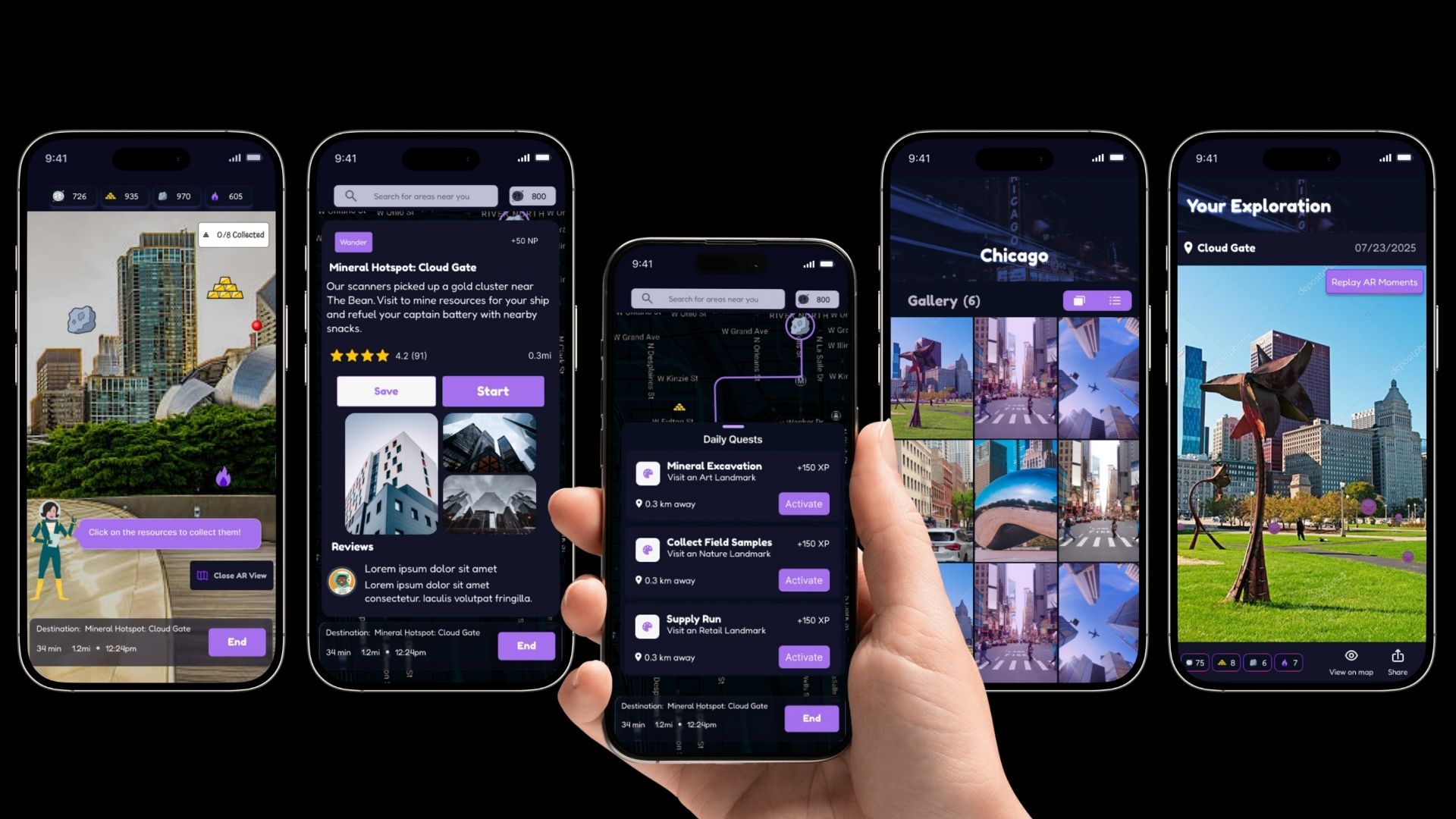
Loading
Discovery as the product. Not the walk.
Wander is a location-based walking app that helps locals explore nearby places through curiosity, light social connection, and optional rewards,not step targets, streak pressure, or performance metrics.
The product targets the gap between "I should walk more" and "I actually did." That gap isn't motivational,it's structural. If the walk itself becomes rewarding through discovery and meaning, movement follows without needing to be the point.
Fitness walking apps are built on a shared premise: people don't walk enough because they lack motivation. The solution they offer is structured accountability: streaks, goals, performance tracking, badges.
That premise doesn't hold. The behavioral science literature consistently points elsewhere: people's relationship with walking collapses not because motivation disappears but because the enabling environment does.
People who stopped walking regularly hadn't lost the will to walk. They'd lost the reason the walk felt worth doing.
The opportunity wasn't another motivation layer
It was redesigning what the walk itself offers,so that the experience of walking is the point, not a means to a step count. Can curiosity, discovery, and ambient social presence make a neighborhood walk feel worth taking on its own terms?
7 academic papers on motivation, social retention, and AR engagement. 7 user interviews with lapsed, inconsistent, and active walkers. Research happened before any wireframe.
Had a habit. Lost the scaffold.
Had gym or class routine. Life transition removed the structure. Motivation unchanged. Access and habit anchor gone.
Only walks with someone.
Movement happens when bundled with a social activity. Remove the partner, the habit vanishes.
Uses screen for recovery.
After cognitively demanding days, screens are the default recovery. Needs a behavioral bridge between couch and movement.
Walks when there's a reason.
Consistently active when walking serves a purpose. Remove the purpose, remove the walk. Discovery is the actual motivator.
"I'll walk to get somewhere. Or if someone's with me. But just... walking? For nothing?"Research participant
Four recurring themes: Motivation wasn't missing,enabling conditions were. Walks feel purposeless without a reason. Social is the strongest sustainer. And pressure is counterproductive,streak apps accelerated dropout.
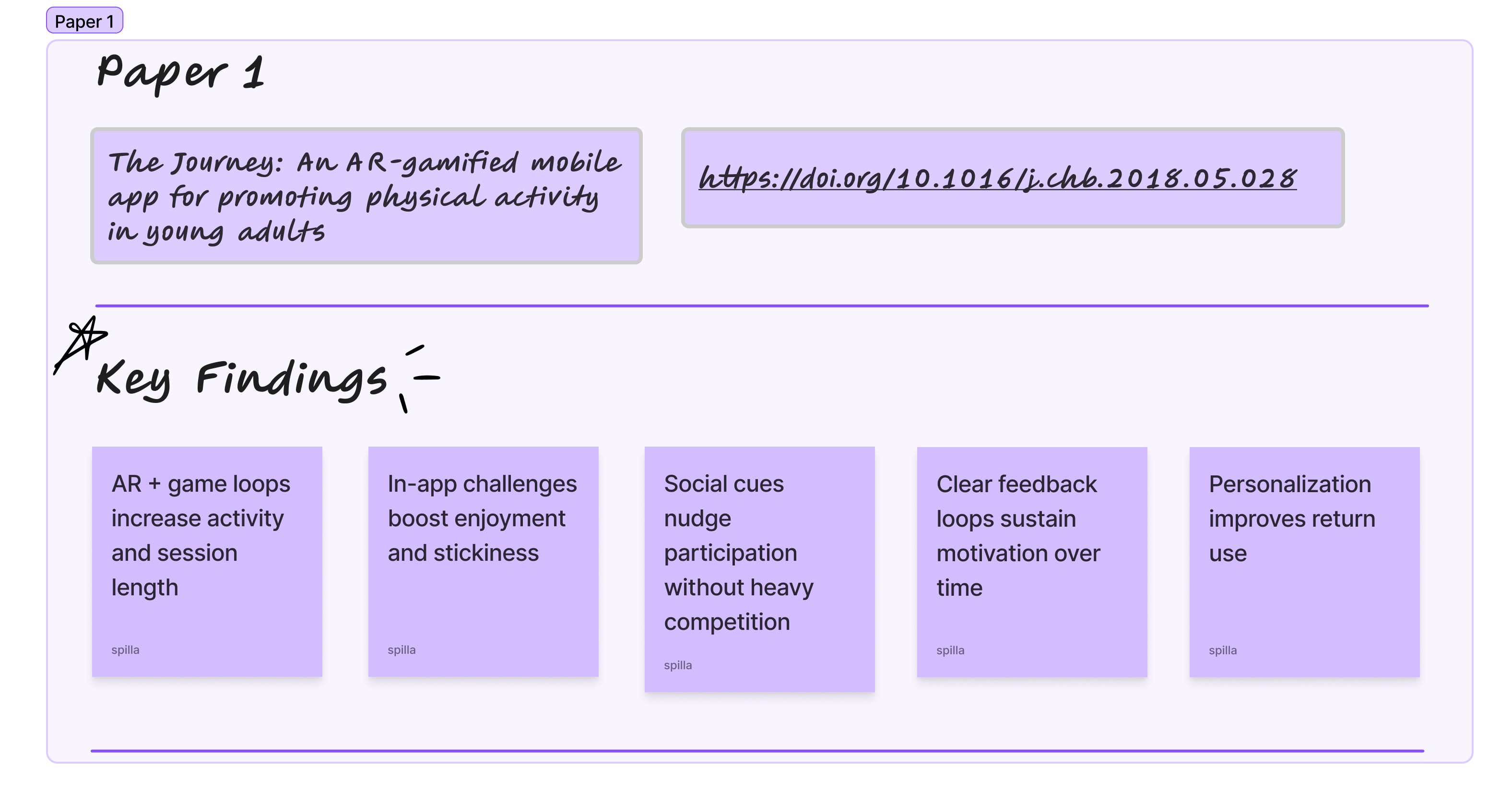
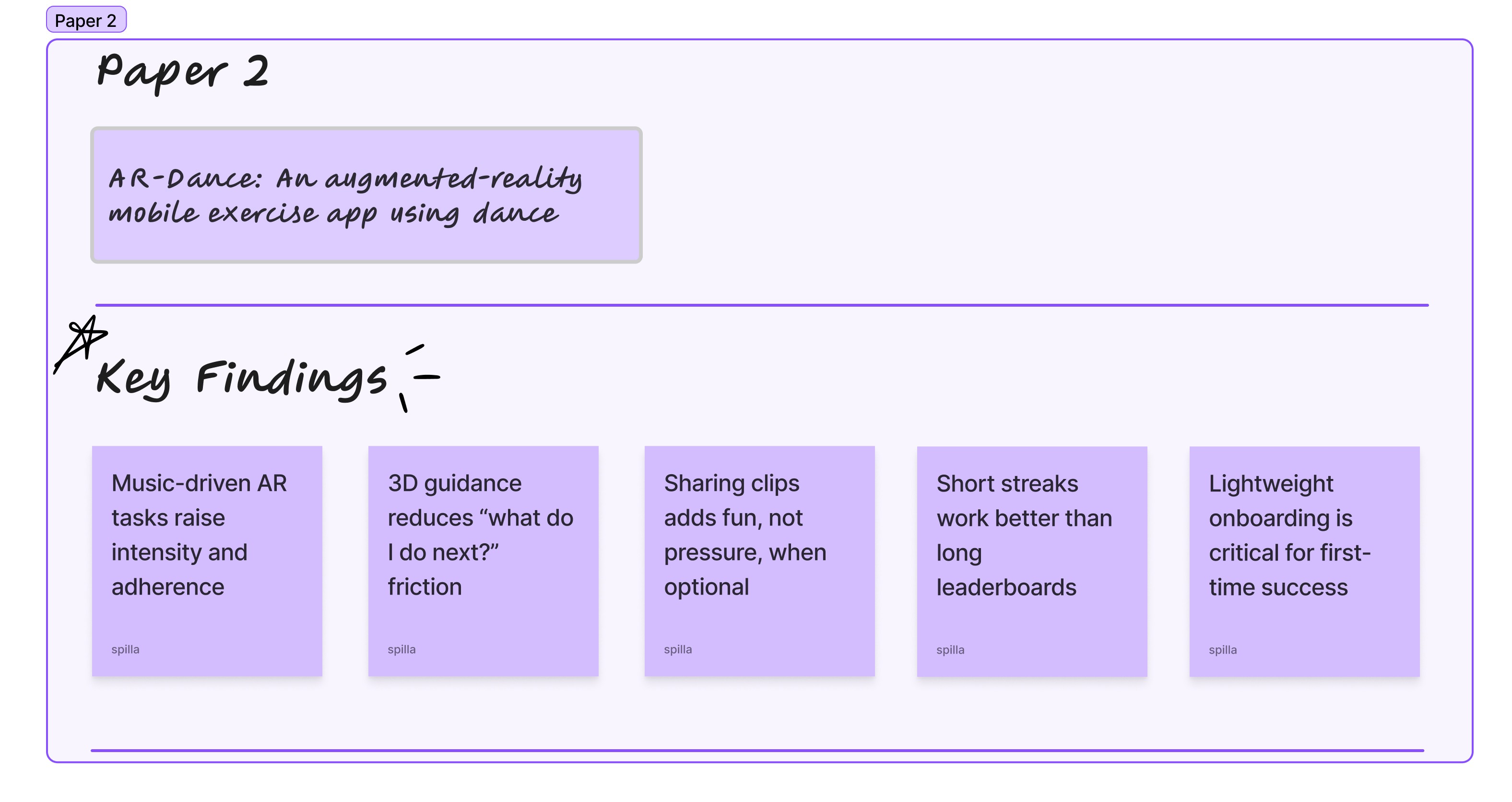
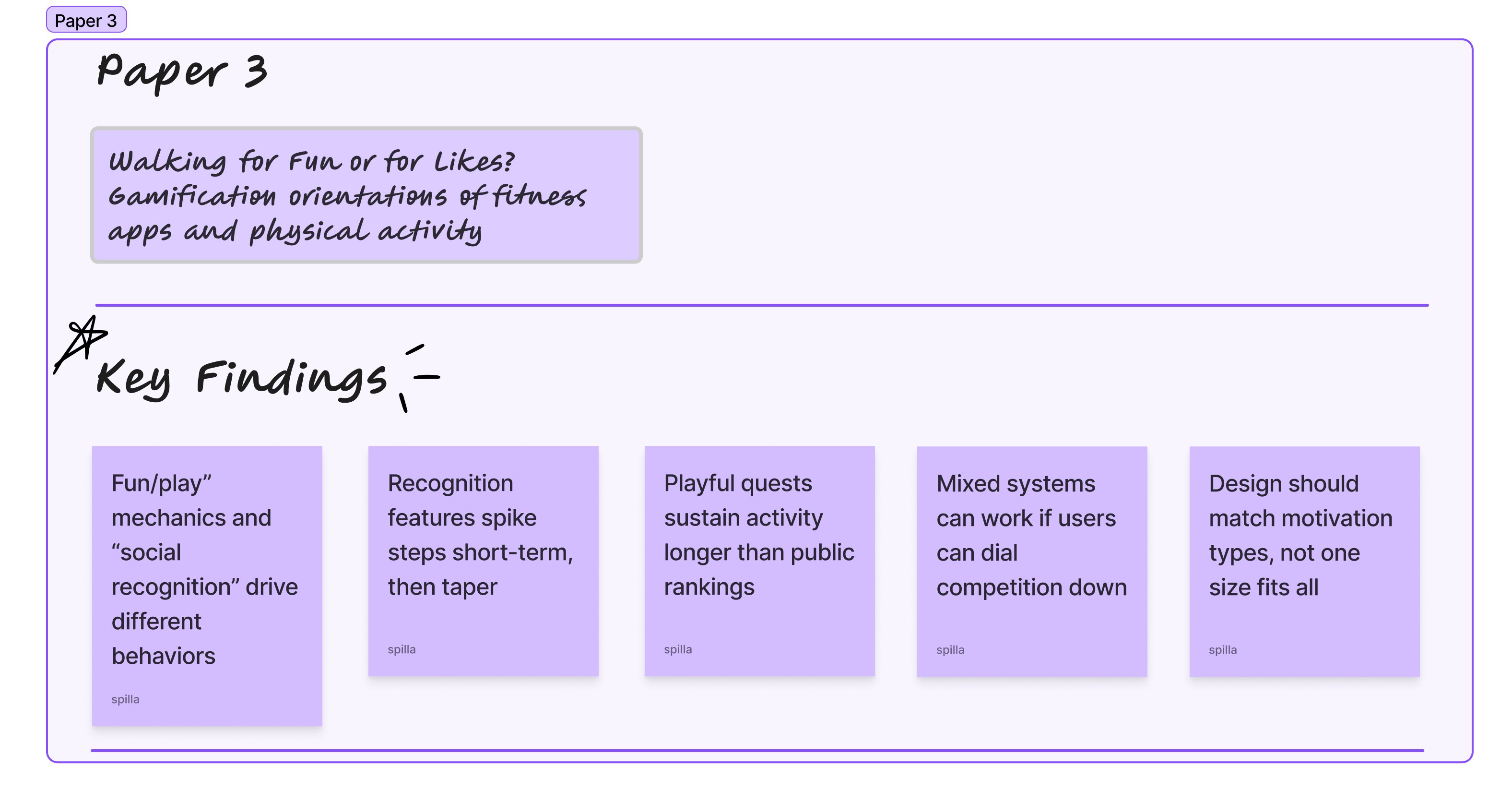
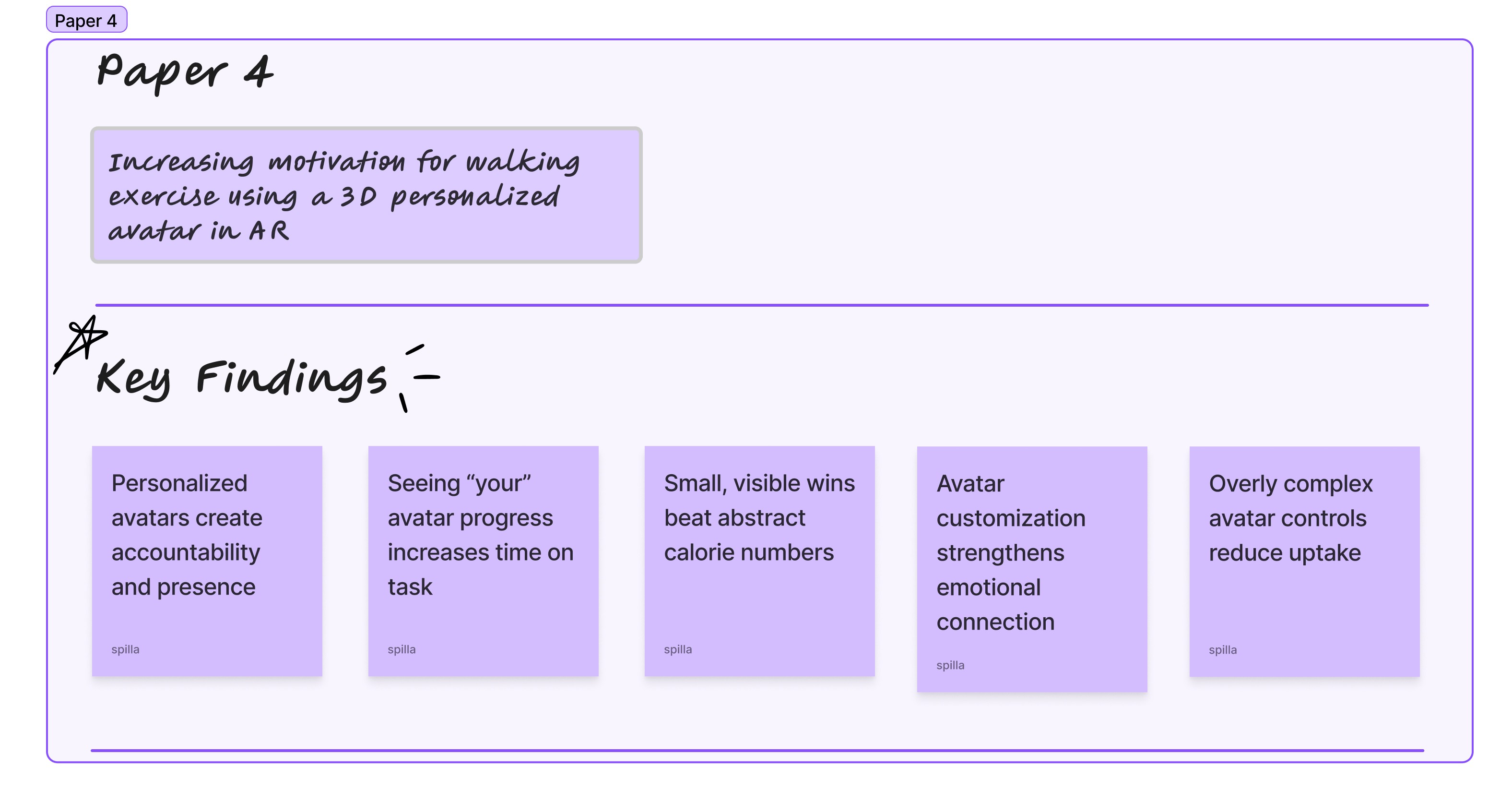
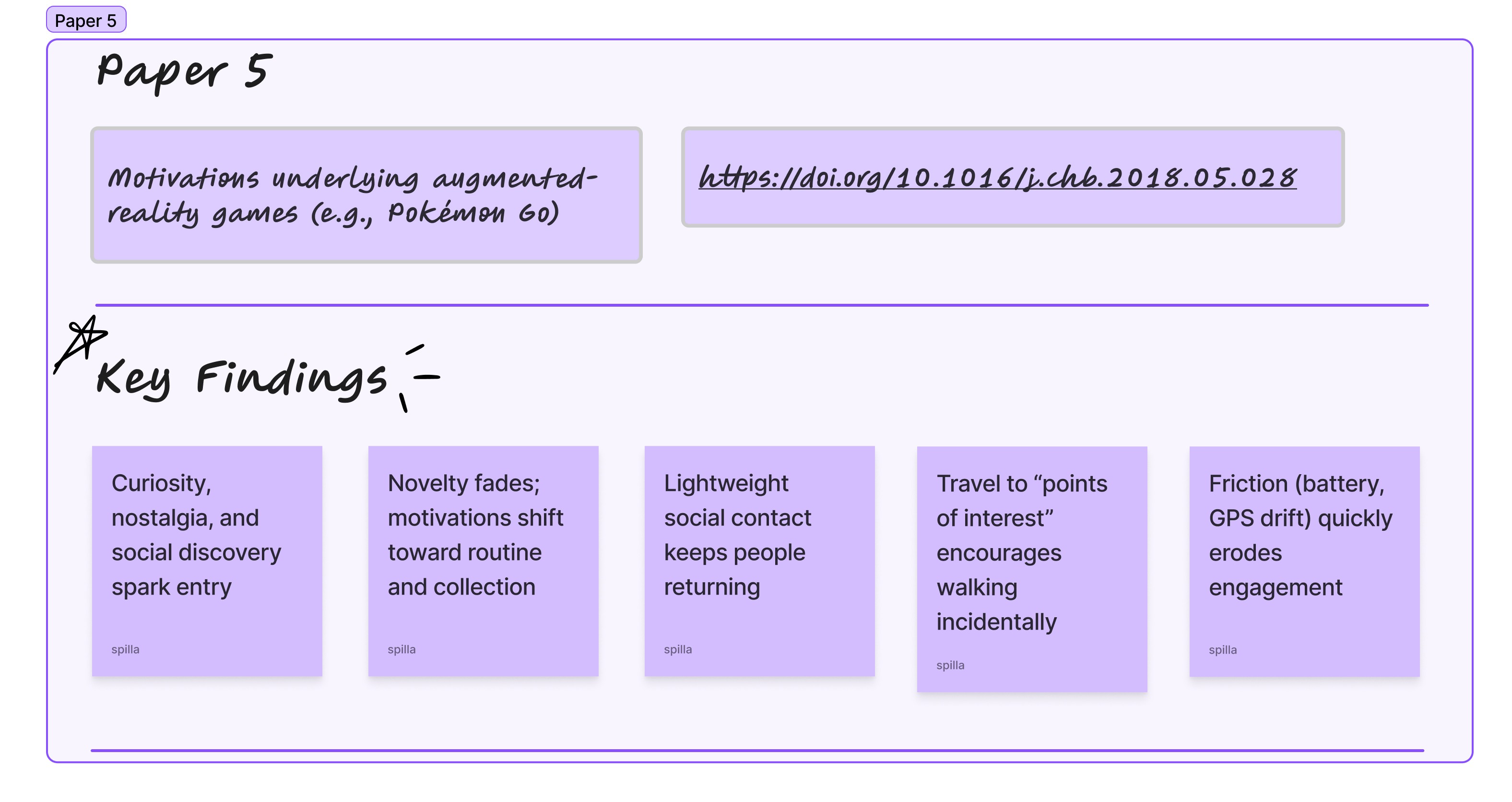
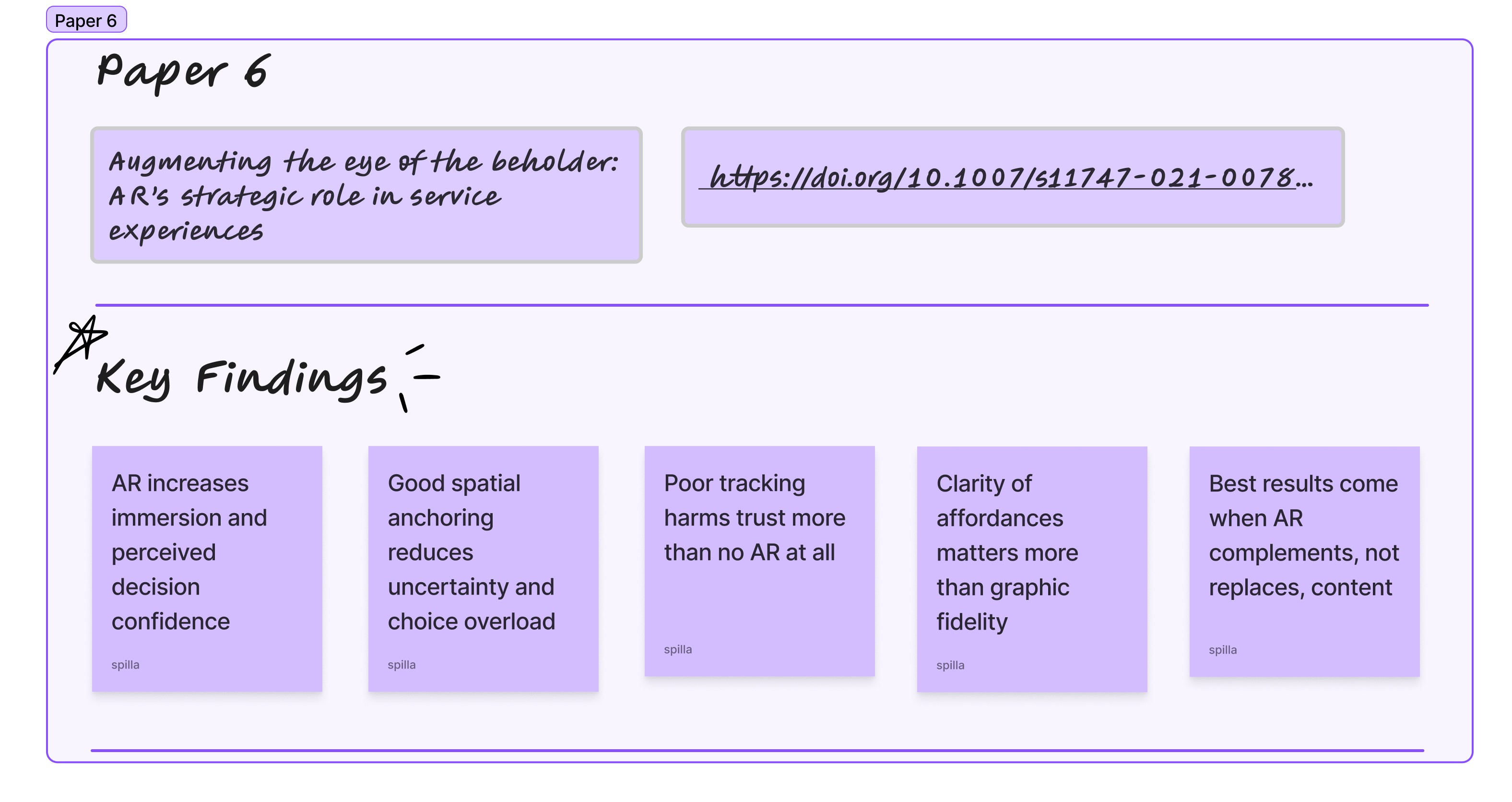
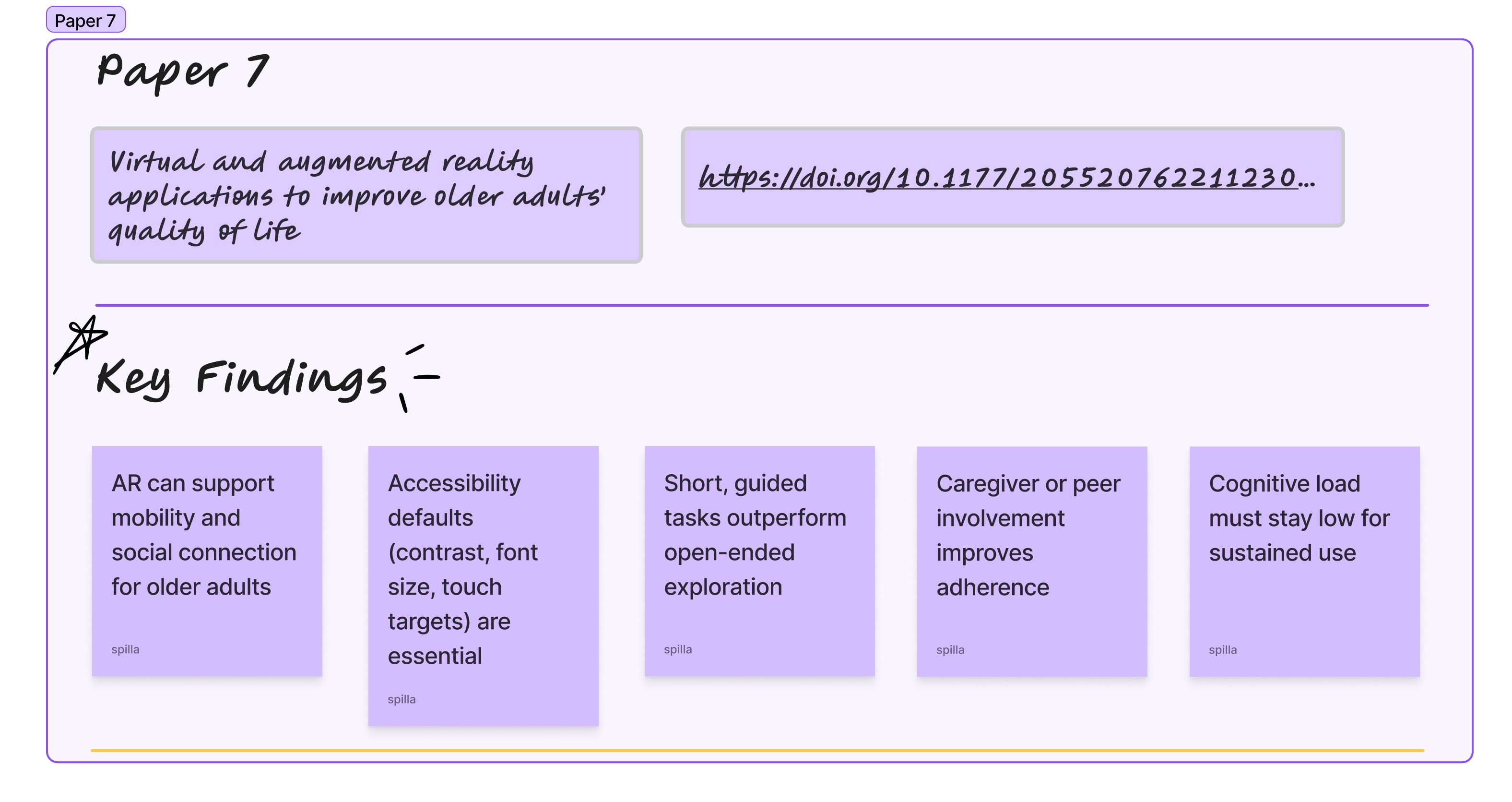
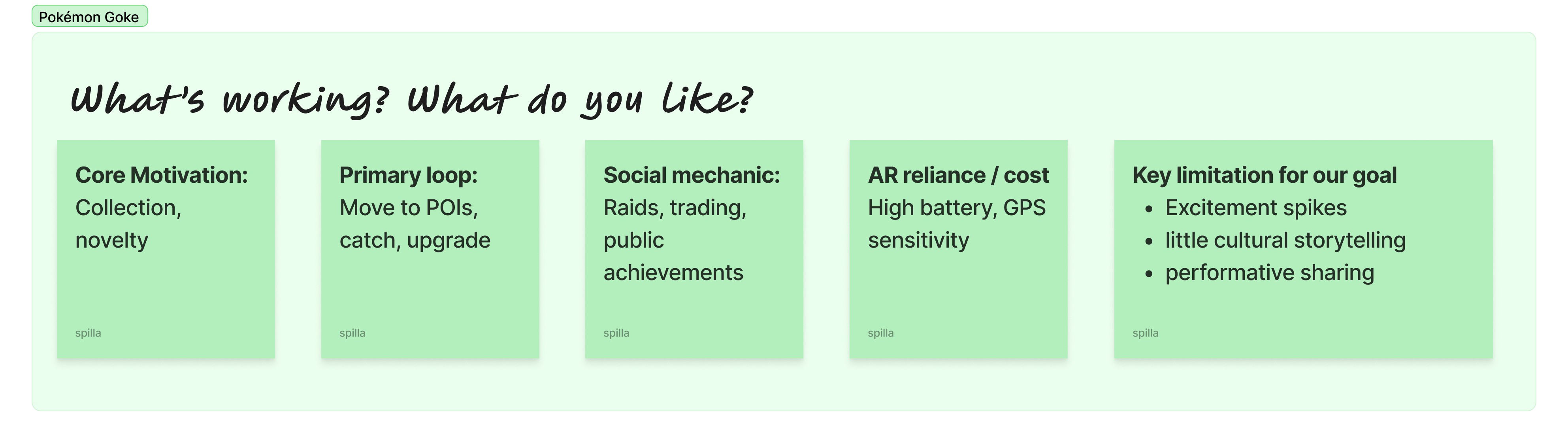
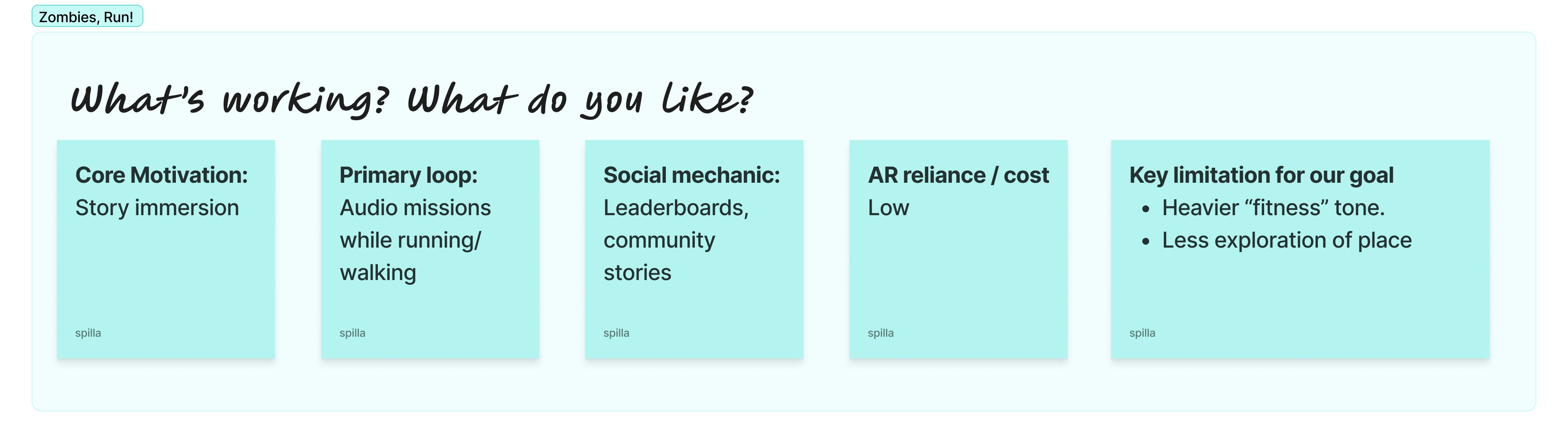
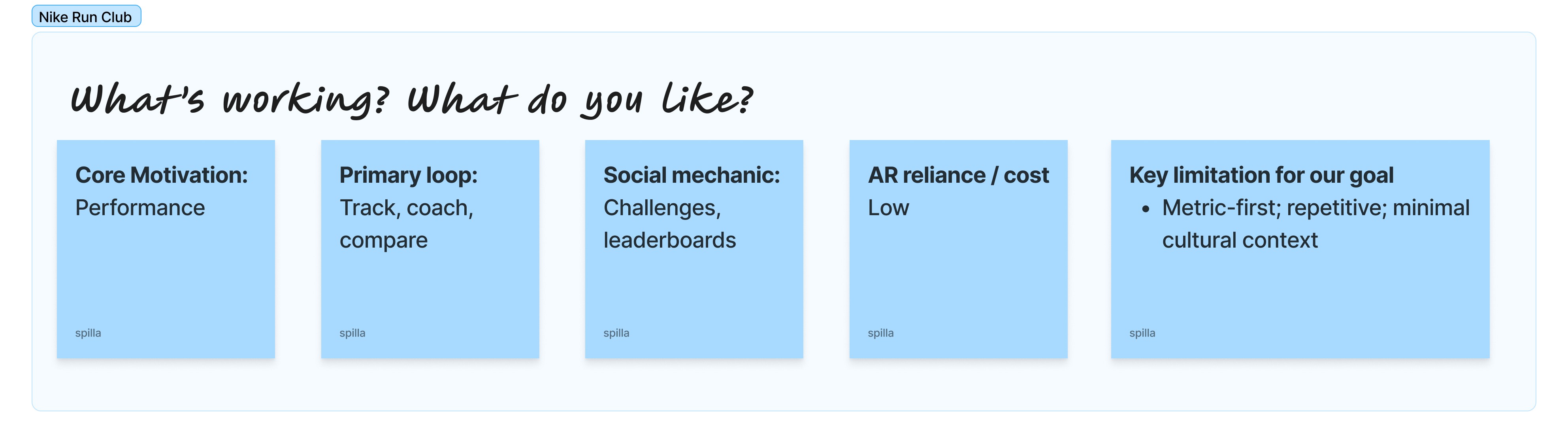
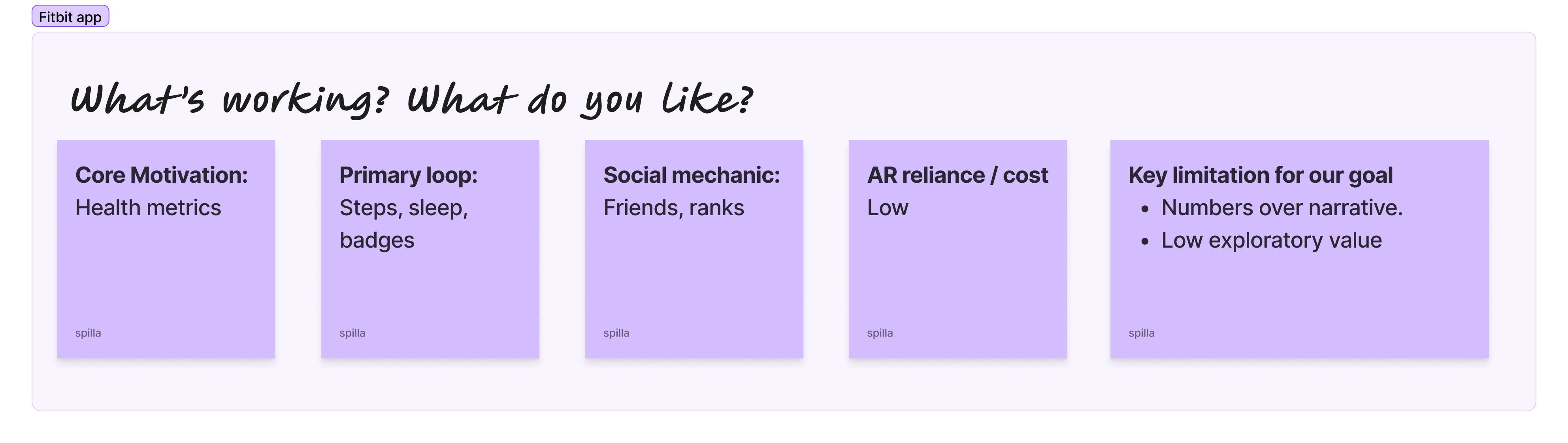
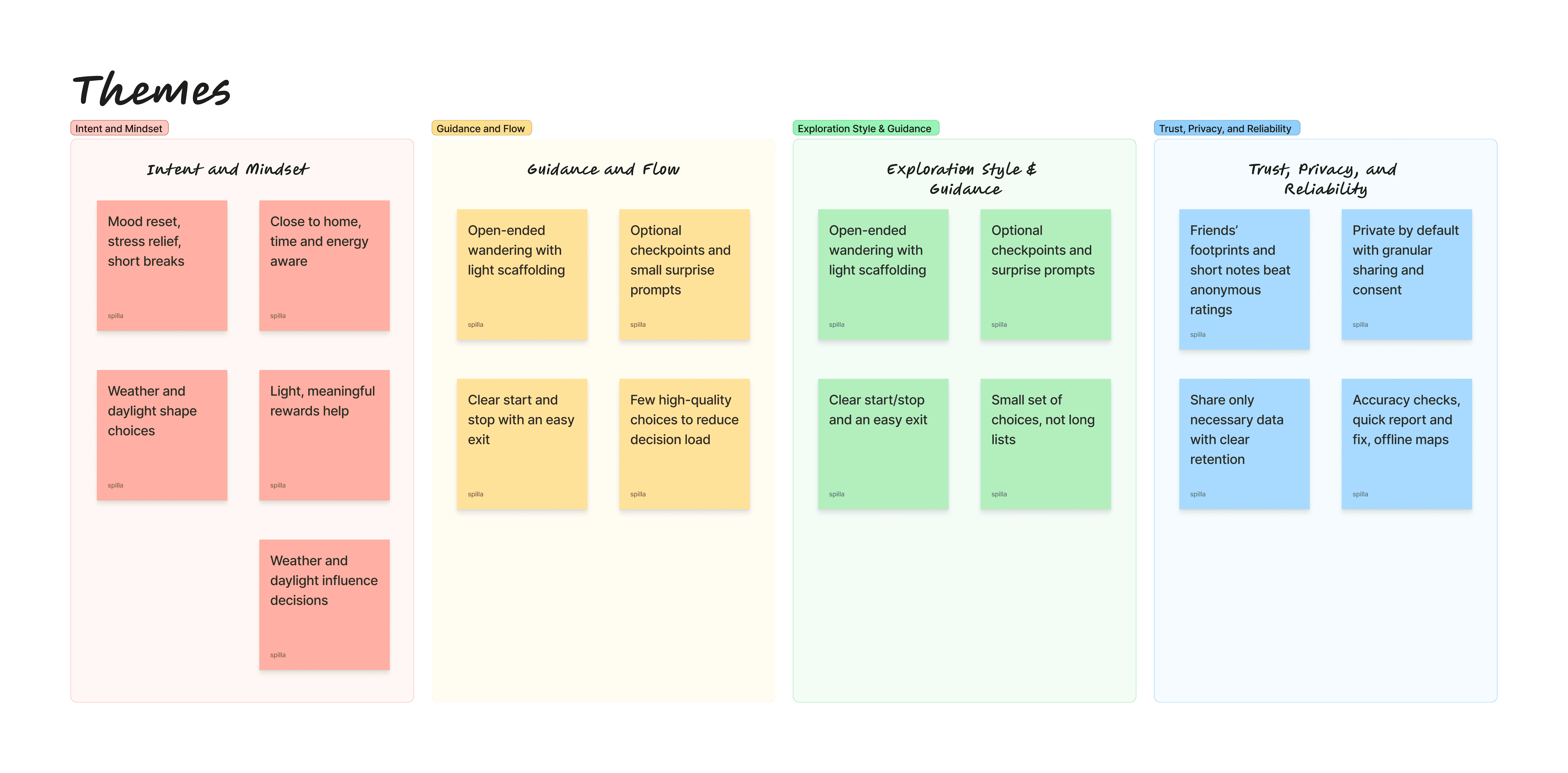
Each principle came from research. Each one required giving something up.
The walk should offer something,a reveal, a place, a story
Intrinsic reward, not extrinsic tracking. Mystery Outposts,partial information revealed only on approach. Showing all locations removed the reason to go.
Other people make habits stick,but competition accelerates dropout
Echoes,friend messages anchored to locations. Visible only at the place. Passive, not competitive. No step leaderboards, no shared activity logs.
Every gamification element is optional
Opt-in or completely ignorable. No failure state. No guilt messaging. No streak penalty. Quests always optional. Resources accumulate passively.
Each decision resolved a question that research raised but didn't answer.
Rejected: full Outpost visibility upfront
Chosen: Mystery Outposts with partial preview only. Full reveal requires physical approach. In testing, showing all locations removed the reason to go to any specific one.
Rejected: global activity feed with step counts
Chosen: Location-anchored Echoes. Friend messages visible only at the specific place. Social accountability sustains habits,but competitive social accelerates dropout.
Rejected: gamification-forward with required quests and streaks
Chosen: Fully optional. Resources accumulate passively. Quests surface as suggestions. Every participant who'd abandoned walking apps cited pressure as the dropout trigger.
Each system solves a specific problem identified in research.
Answers: "walks feel purposeless"
Home screen anchored to a map showing nearby Outposts with partial information only. Full details revealed on physical approach. Mystery creates the reason to go somewhere specific.
Answers: "walking needs to offer something"
On approach, AR mode reveals the Outpost in full. Companion guides without directing. Content unlocks passively. AR turns the physical location into the reward.
Answers: "social sustains habits without competitive pressure"
Friend messages anchored to specific locations. Visible only at the place. No global feed. No performance comparison.
Answers: "pressure causes dropout faster than no app"
Walk-based missions surface as suggestions, never requirements. Resources accumulate passively. No goals or deadlines.
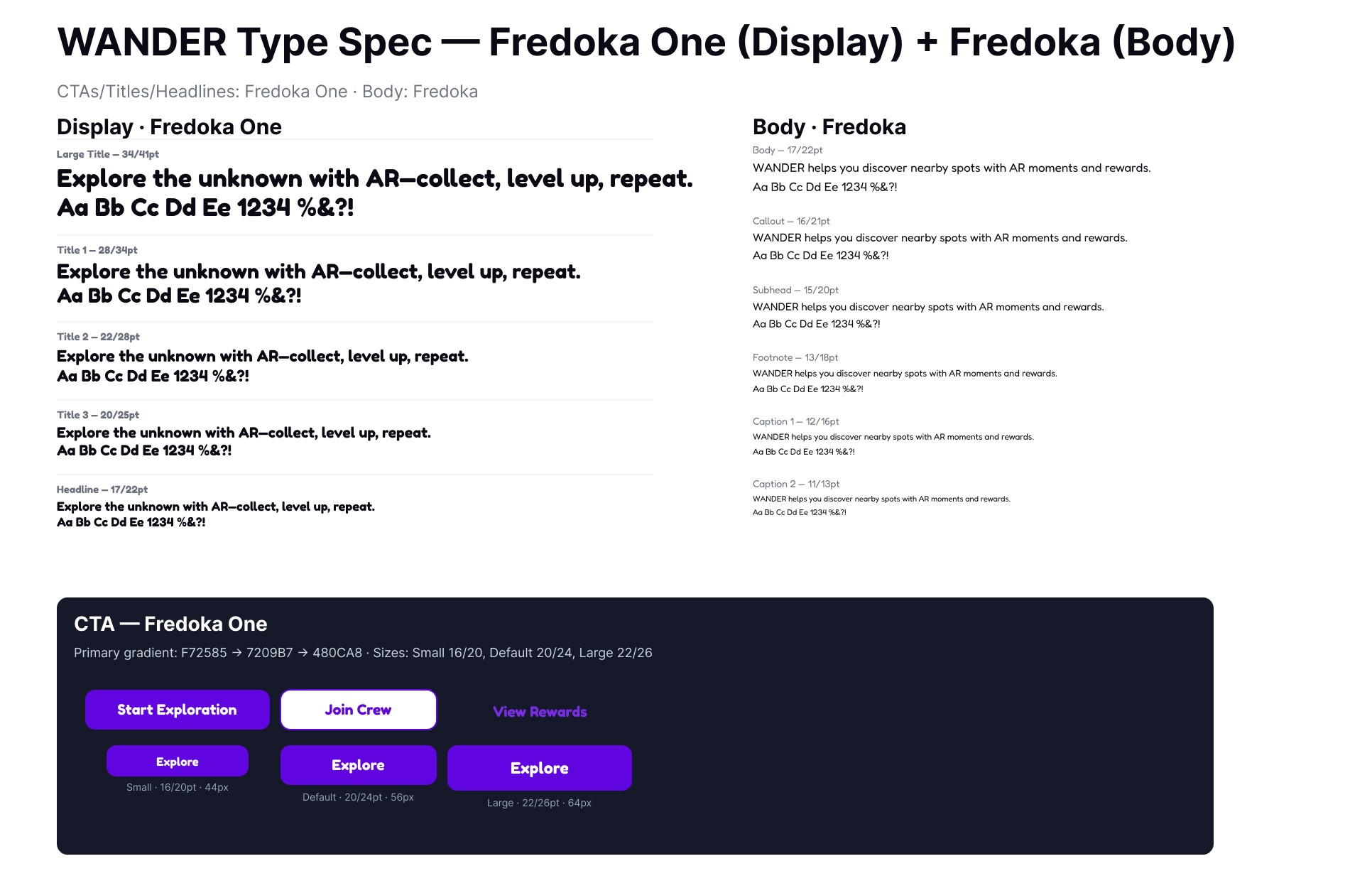
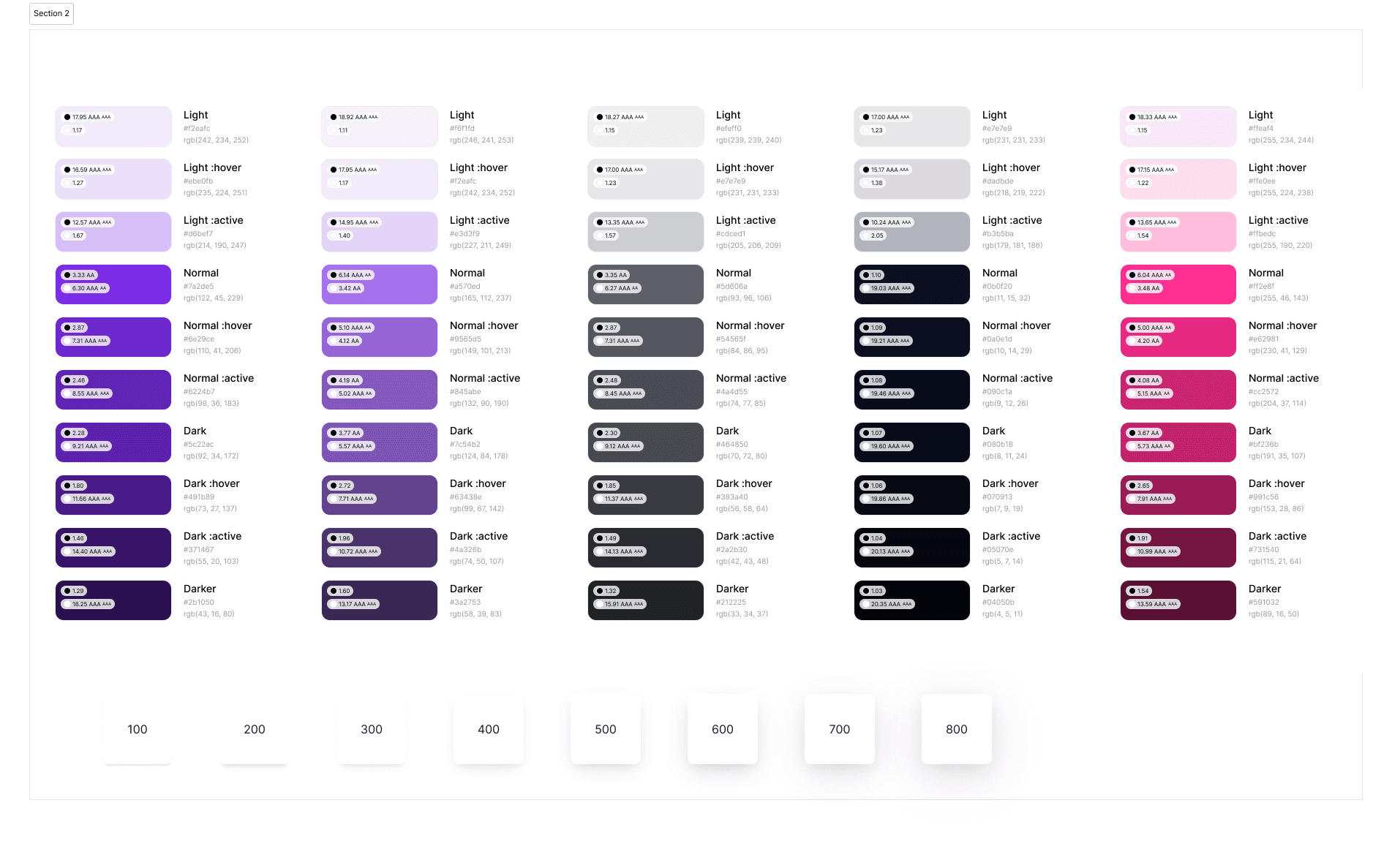
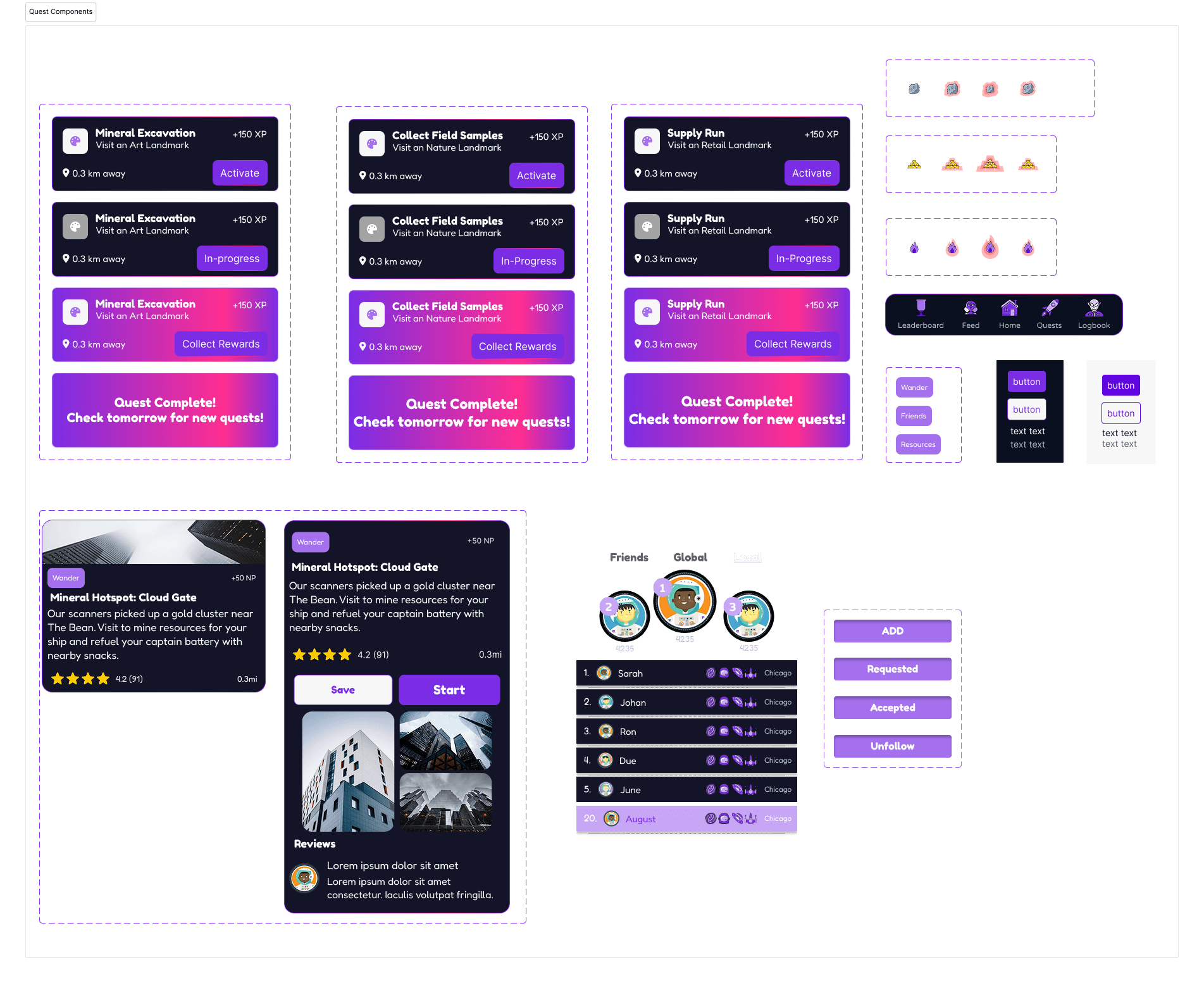
Two rounds of usability testing. Each produced structural changes,not visual polish.
Round 1,Critical
Participants stayed in 2D map and never discovered AR mode. Added persistent "Open AR View" CTA during navigation. Round 2: users entered AR intentionally.
Round 1,Critical
Participants didn't know if they were on a Quest or had completed one. Added Quest status bar visible during navigation. Completion confirmed with visual + sound cue.
Round 1,Critical
Social icons on map were not understood as friend activity. Added contextual intro at first Echo encounter. Icon redesigned with name fragment. Round 2: correctly identified on first encounter.
Round 1,Critical
Tutorial appeared too late,after wrong mental models formed. Split into three contextual moments. Each concept introduced at first encounter, not all at once.
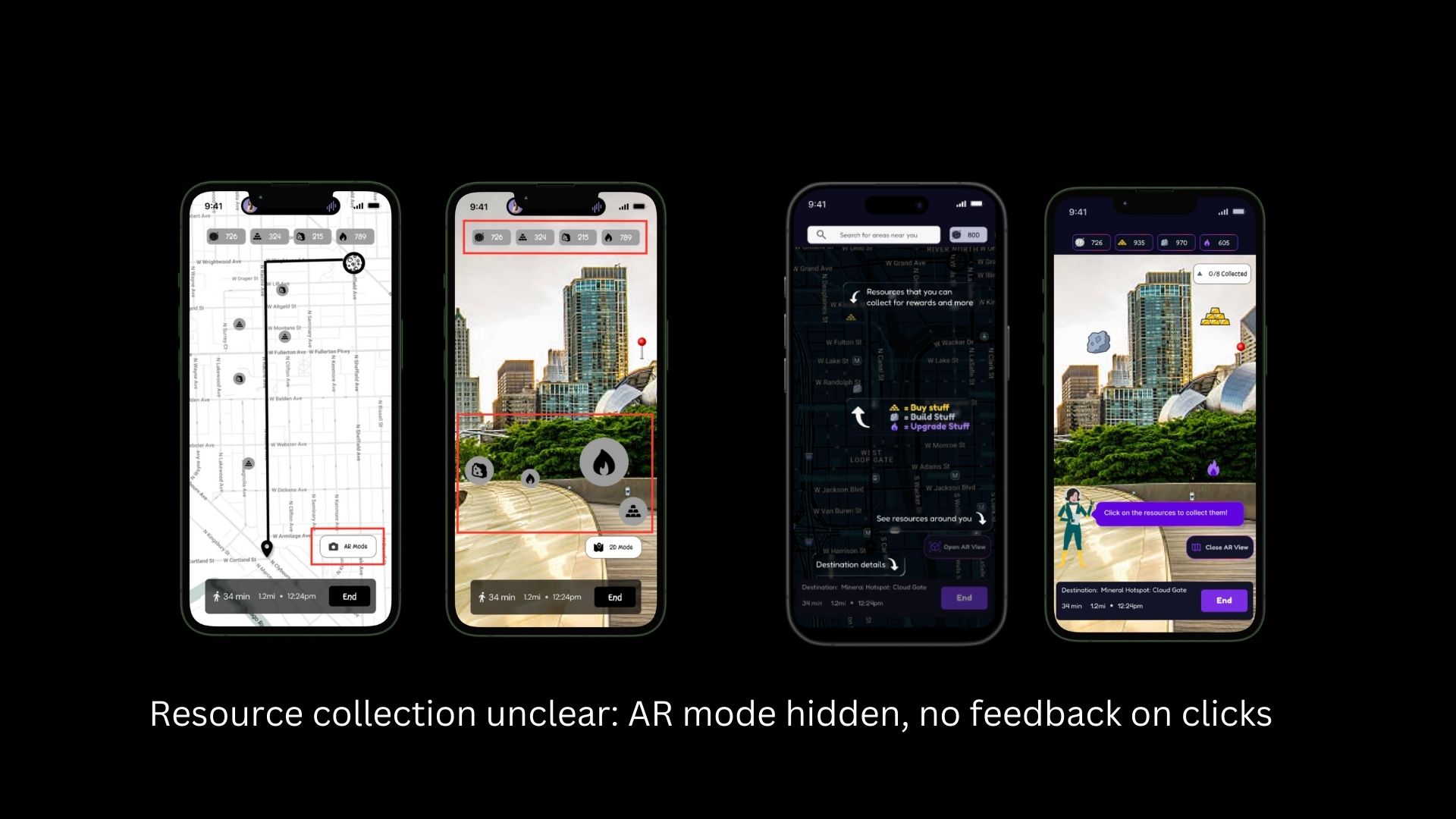
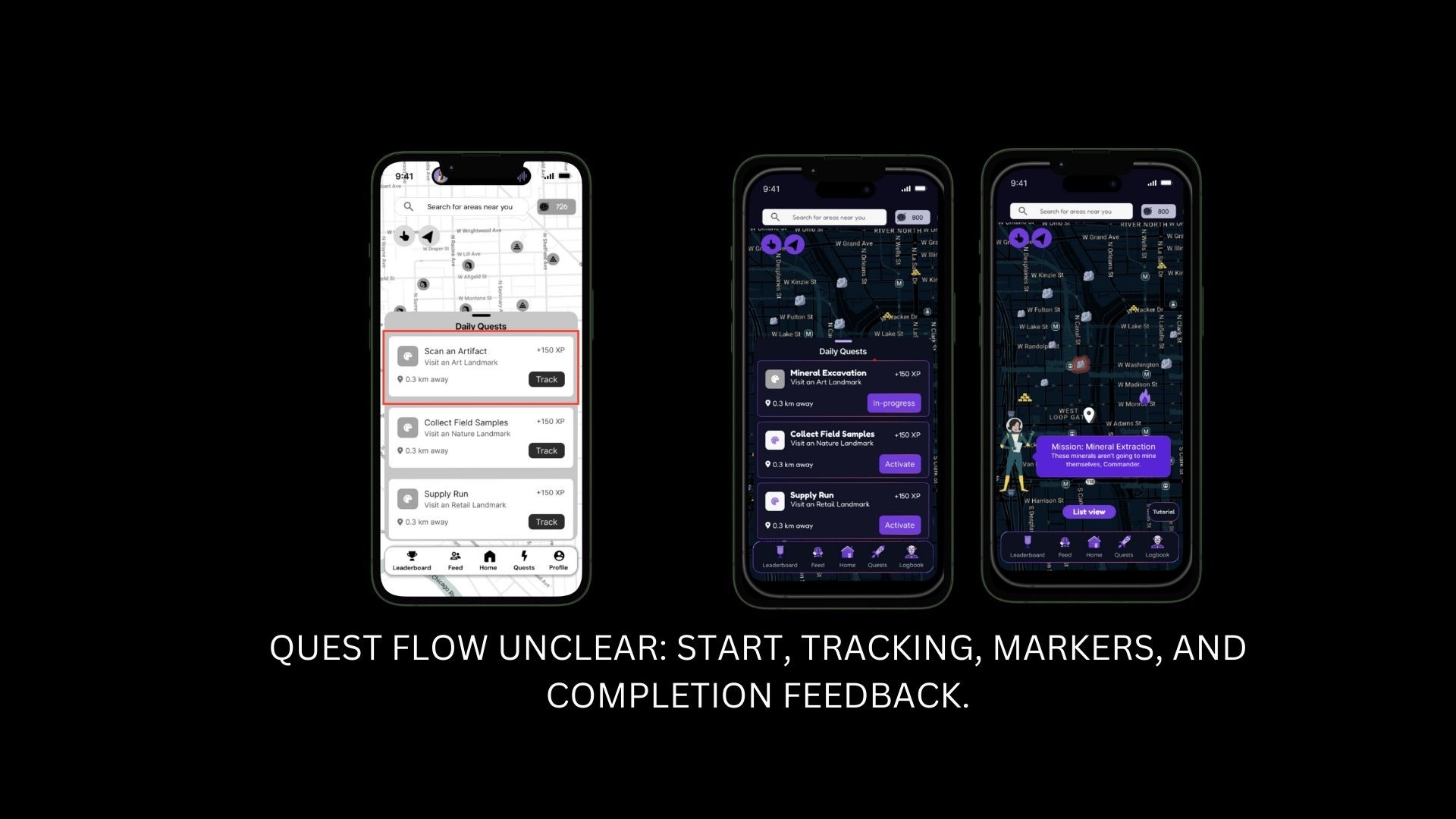
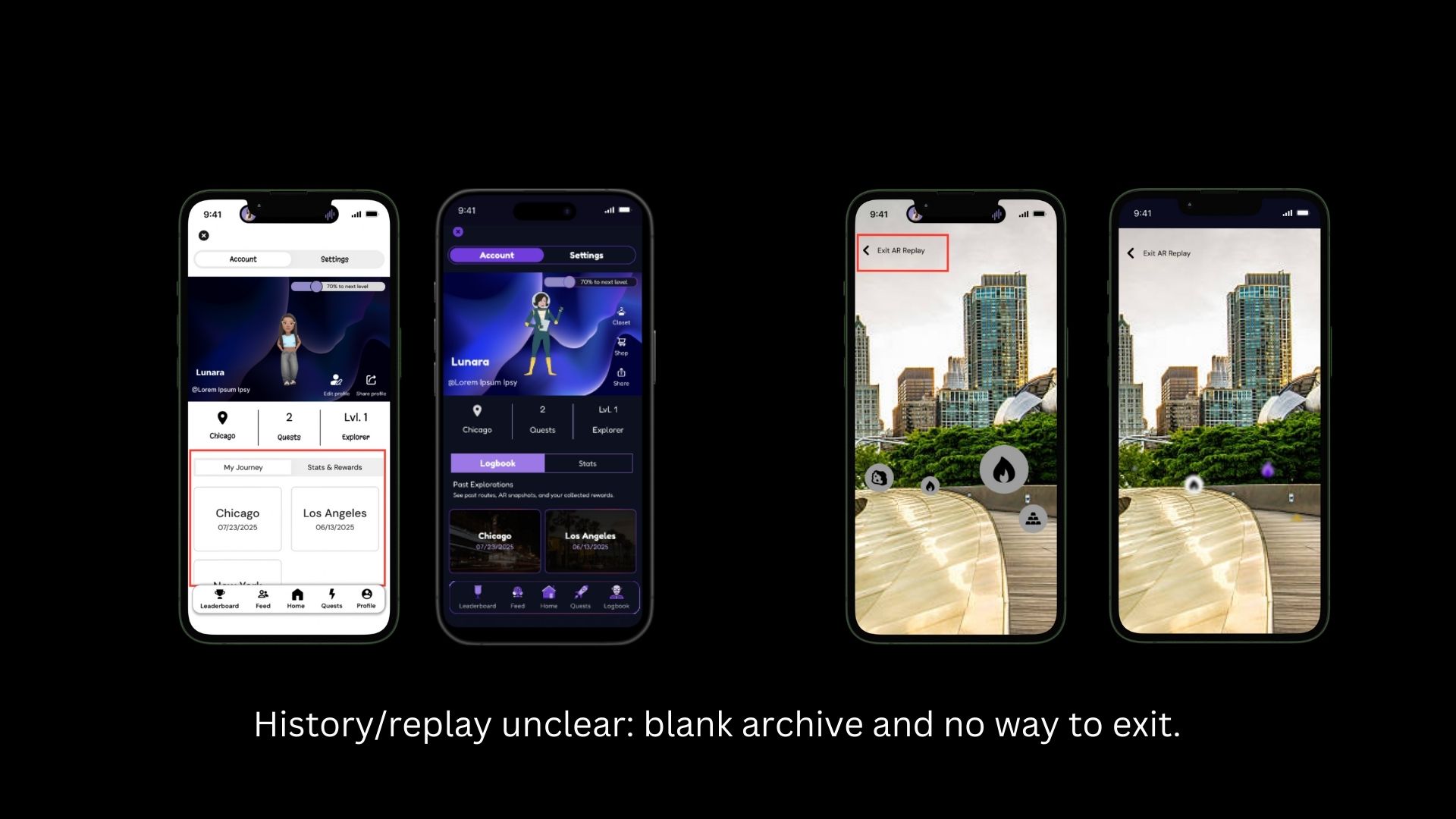
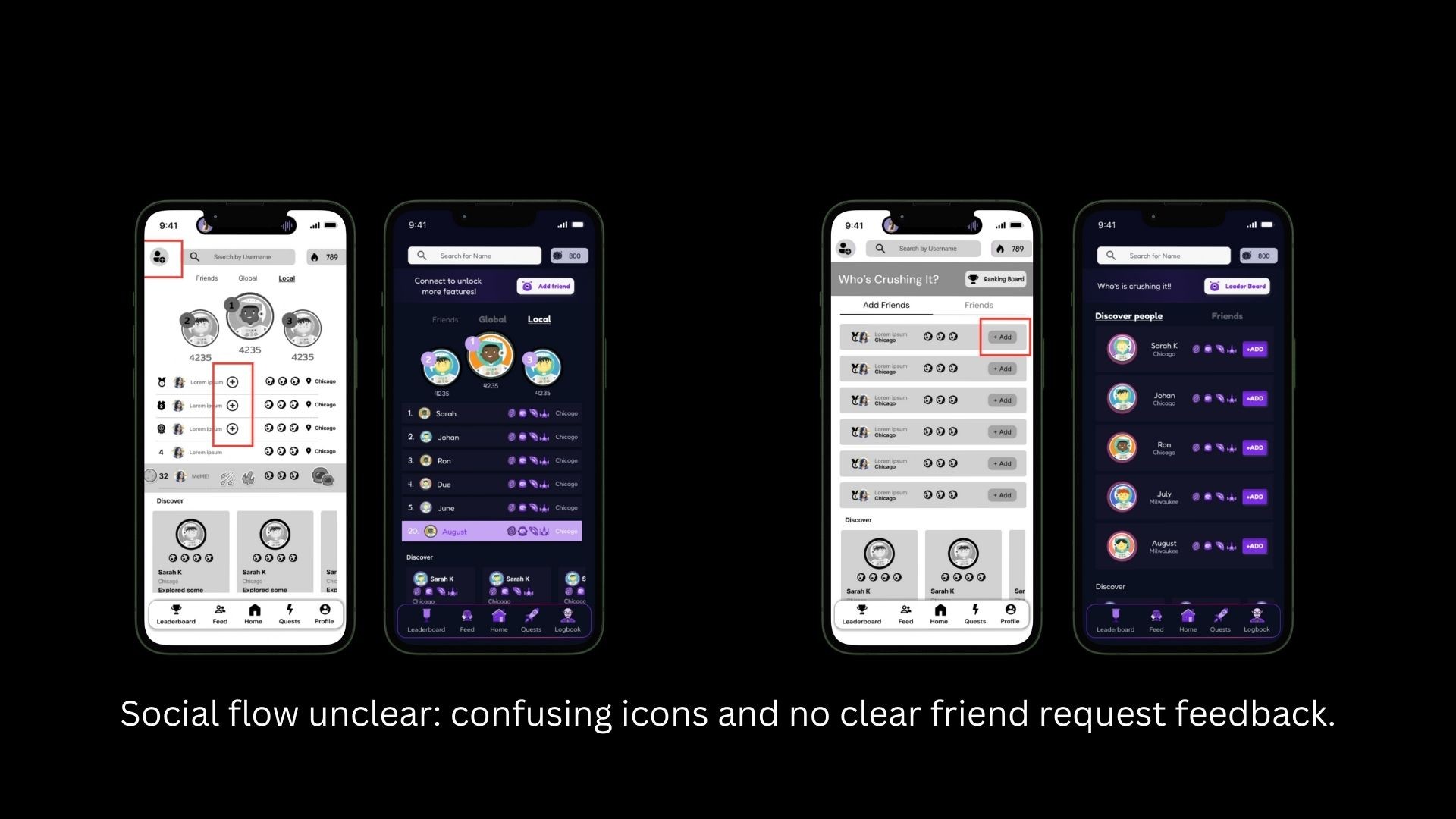
Mystery mechanic created genuine pull,users changed walking routes. Ambient social felt more personal than competitive. Optionality reduced pressure without reducing engagement.
AR fidelity mismatch,prototype couldn't replicate real-world AR behavior. Reward loop visibility,Resource collection didn't close itself for casual users.
Real-world AR validation. Longitudinal behavior testing over 2–4 weeks. Narrower MVP scope,Outpost discovery alone as a testable first release.
"The decision that was hardest to defend,hiding location information from users who said they wanted more of it,turned out to be the decision that made the product work. Users said they wanted to see all locations. Their behavior said otherwise. I trusted the behavior."